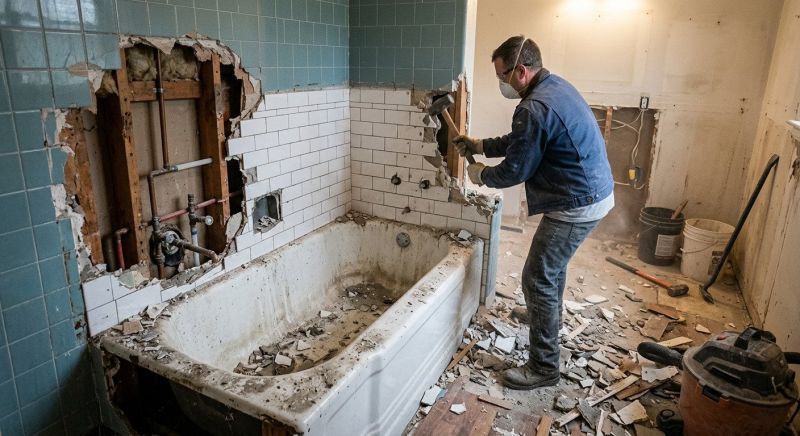
Bathtub Demolition in Bergen County, NJ
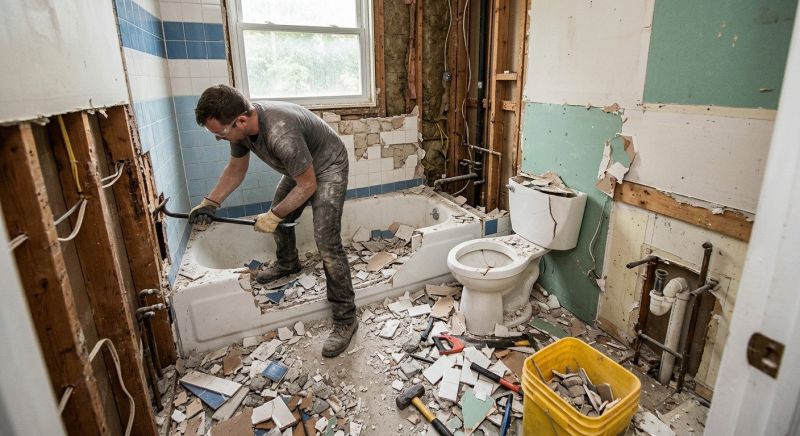
Bathtub demolition services involve the safe and efficient removal of existing bathtubs, whether for remodeling, replacement, or renovation projects. These services typically cover a range of projects including outdated or damaged tubs, custom installations, and conversions such as turning a bathtub into a shower stall. Property owners usually want to understand the scope of demolition, what materials will be removed, and how the process may impact surrounding areas like flooring and walls to ensure a smooth transition to the next phase of their bathroom upgrade.
Before requesting bathtub demolition, homeowners should consider factors such as the age and condition of the existing fixture, access points for removal, and any plumbing or electrical connections that may need to be addressed. It’s also helpful to know if the demolition will include debris removal and whether any repairs or modifications are needed afterward. Clear communication about project details can help ensure the process aligns with renovation plans and minimizes disruptions to the property.
Many property owners in Bergen County, NJ look into Bathtub Demolition for repairs, replacements, upgrades, and appearance-related improvements.
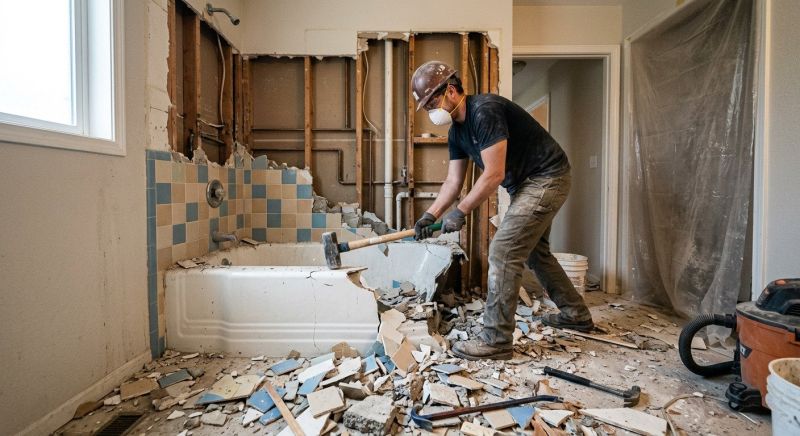
Bathroom Renovation Preparation
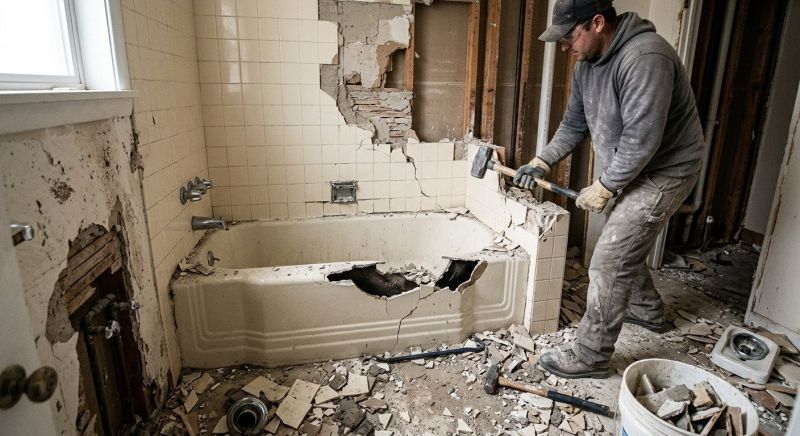
Removing old bathtubs to make way for updated bathroom designs.
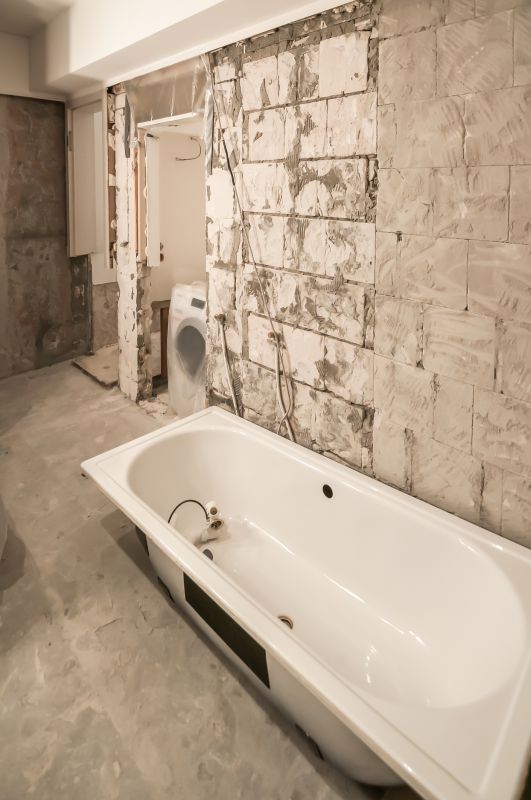
Property Upgrade Projects
Demolishing existing tubs to accommodate new fixtures and layouts.
Structural And Space Optimization
Clearing out outdated tubs to improve bathroom functionality and flow.
Bathtub Demolition in Bergen County, NJ
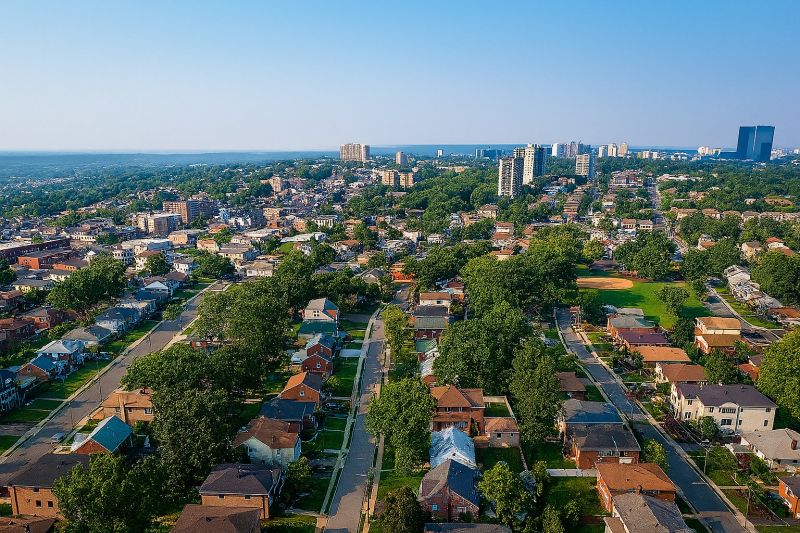
Bathtub demolition services involve the safe and efficient removal of existing bathtubs, whether for remodeling, replacement, or renovation projects. These services typically cover a range of projects including outdated or damaged tubs, custom installations, and conversions such as turning a bathtub into a shower stall. Property owners usually want to understand the scope of demolition, what materials will be removed, and how the process may impact surrounding areas like flooring and walls to ensure a smooth transition to the next phase of their bathroom upgrade.
Before requesting bathtub demolition, homeowners should consider factors such as the age and condition of the existing fixture, access points for removal, and any plumbing or electrical connections that may need to be addressed. It’s also helpful to know if the demolition will include debris removal and whether any repairs or modifications are needed afterward. Clear communication about project details can help ensure the process aligns with renovation plans and minimizes disruptions to the property.
Many property owners in Bergen County, NJ look into Bathtub Demolition for repairs, replacements, upgrades, and appearance-related improvements.
Common Bathtub Demolition Jobs
Bathtub Removal - safely removes old or damaged bathtubs to prepare for replacement.
Complete Demolition - tearing out entire bathtub units and surrounding structures.
Partial Demolition - removing specific sections of the bathtub for remodeling projects.
Asbestos Abatement - safely handles and removes asbestos-containing materials during demolition.
Floor and Wall Removal - clearing space around the bathtub area for renovation or reconfiguration.
Site Clearing - prepares the bathroom space by removing debris and unwanted materials after demolition.
Bathtub Demolition Questions
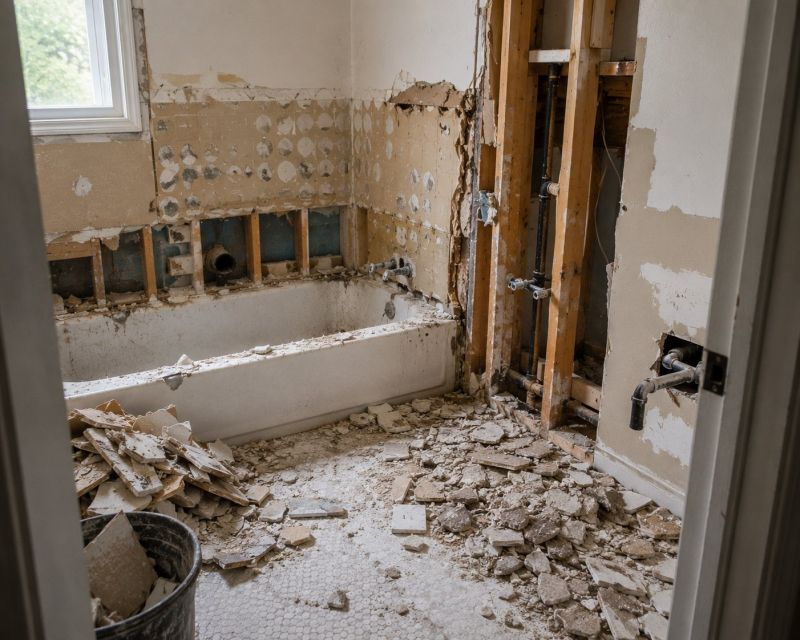
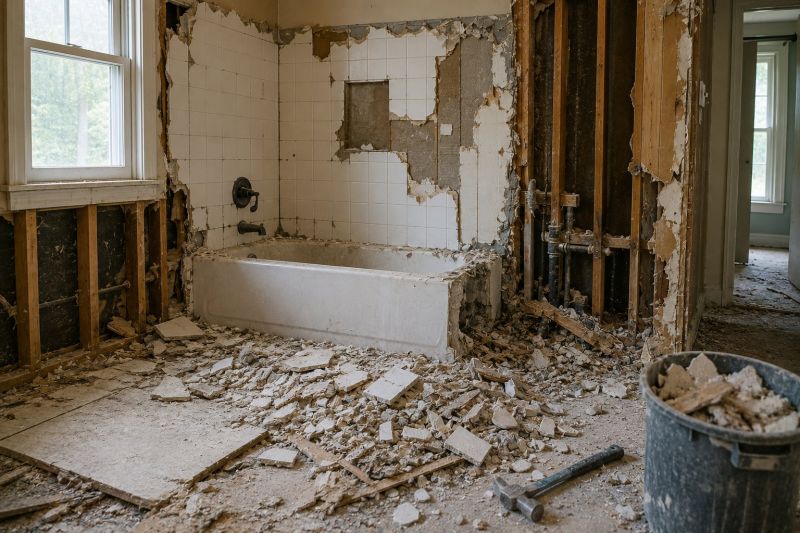
What is bathtub demolition? Bathtub demolition involves safely removing an old or damaged bathtub to prepare for replacement or remodeling projects.
When should a bathtub be demolished? Demolition is typically needed when a bathtub is cracked, stained, or no longer functions properly.
What types of bathtubs can be demolished? All common types, including acrylic, cast iron, and fiberglass, can be demolished as part of renovation work.
Is bathtub demolition messy? Proper demolition techniques minimize debris and dust, making the process as tidy as possible for property owners.
Request Bathtub Demolition in Bergen County, NJ
Use the quote form on this page to share the basics of your project and request more information for the type of work you need.